A sofa's right to age
In shortUsage marks, patina, and surface damage tell different stories. To understand which one we’re seeing, we need to know the material.
Even when there’s an empty spot in the living room, you still go and sit in the same corner. The place where you put your phone is fixed. So is where you stretch one arm, and in which direction you tuck your legs. When a guest arrives, you give them your spot; when they leave, you unconsciously return to it.
A sofa settling into a home is a bit like this. Over time, you think less about the proportions, legs, and color you observed on the first day. Instead, the comfort of knowing it will be there when you open the door takes over. Yet, we still expect the items we use to look as they did on day one. As the gap widens between the flawless surface in a photograph and the sofa at home, it feels as if we’ve done something wrong.
The daily effort of looking flawless
It’s worth considering why one cushion looks slightly different from another. Is our immediate desire to intervene due to comfort, or because we hold the sofa’s photograph in our minds? If we’re mindful of the upholstery while sitting, or the symmetry of the cushions while lounging, then using the furniture has become a task requiring attention.
There’s a contradiction here. We seek a sofa that conforms to our body, then we want all traces of our body having been there to disappear. The desire to behave comfortably at home and the desire to maintain a flawless appearance struggle to coexist.
With fabric, faux leather, and genuine leather options, Zenith brings this question right down to the choice of upholstery. Looking at its wide armrests, plump cushions, and bolster pillows, it’s easy to imagine how it will be used. Then a more personal question arises: How do I accept my chosen surface to look over time?
This question is more useful than declaring one material superior. A change you love on one surface might bother you on another. You don’t have to love usage marks. But the expectation of a sofa that will never change also needs to be discussed at the time of purchase.
“Genuine leather” isn’t the whole answer
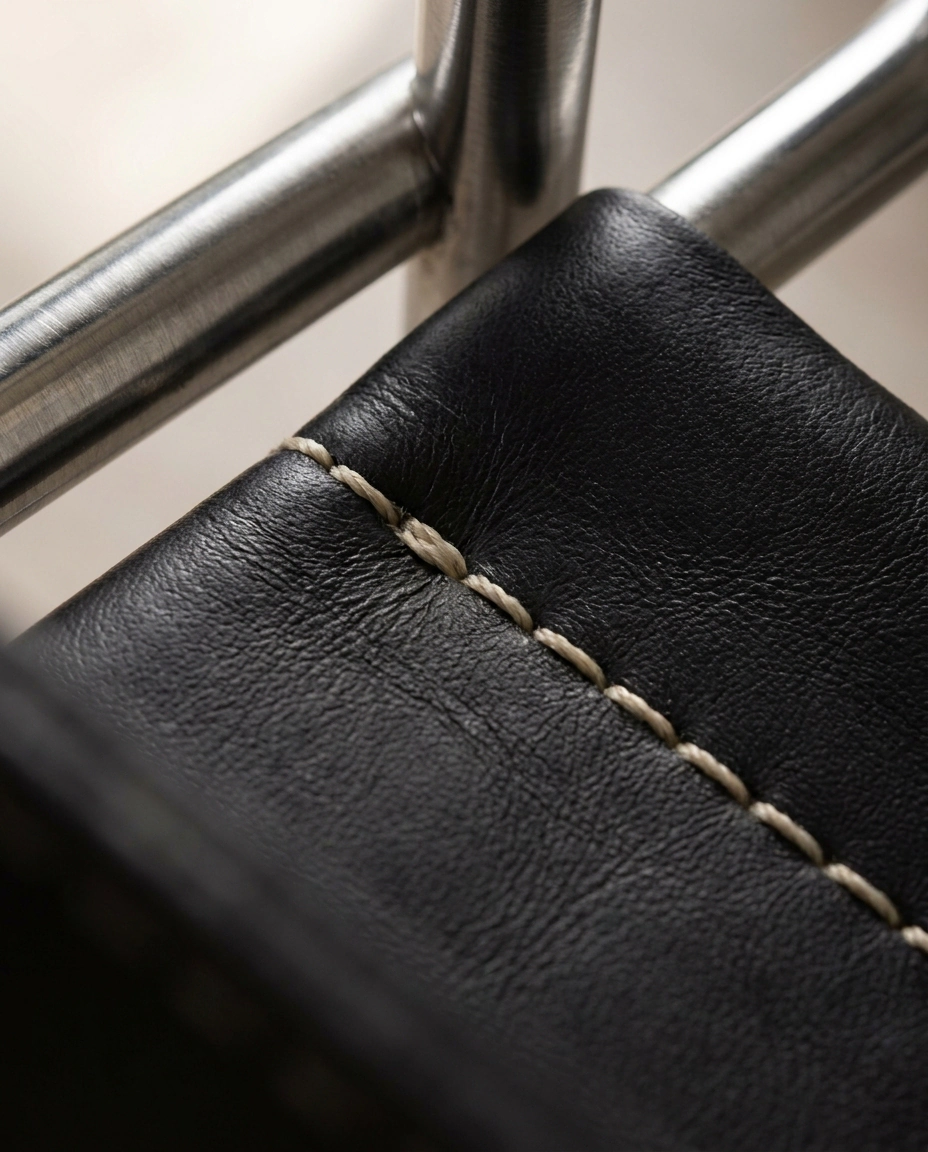
When it comes to leather, we quickly find a beautiful name for aging: patina. However, not all genuine leathers change in the same way. Their type and surface treatment determine what we can expect from the material.
Sørensen Leather’s guide to leather types explains that with uncoated aniline leather, use and light can create tonal changes over time. However, the manufacturer’s ENVY series is described as wax-protected aniline leather. These two examples show that the words “genuine” or “aniline” alone do not fully describe the surface treatment.
You can use the following table when choosing upholstery:
Uncoated aniline genuine leather
- Distinction you need to know
- Tonal changes can develop with use and light.
- Ask when purchasing
- Is the leather uncoated; has wax or other protection been applied?
Protected genuine leather
- Distinction you need to know
- Semi-aniline and more heavily protected surfaces do not have the same characteristics.
- Ask when purchasing
- What is the exact leather type and applied surface treatment?
PU coated fabric
- Distinction you need to know
- The behavior of polyurethane coating varies by content and production.
- Ask when purchasing
- What tests exist for hydrolysis and cleaner compatibility?
PVC-based coated fabric
- Distinction you need to know
- The top surface may contain another polymer; the name “PVC” may not describe all layers.
- Ask when purchasing
- What are the materials of the main coating and top surface, and what are the care instructions?
Woven fabric
- Distinction you need to know
- Abrasion, pilling, and lightfastness are separate properties.
- Ask when purchasing
- Which results can be shared for these three categories?
The distinction in fabric is particularly important. Kvadrat’s fabric performance guide differentiates the Martindale test, which measures resistance to abrasion, from the pilling test, which assesses the formation of small fiber balls on the surface. Lightfastness, on the other hand, relates to resistance to color fading. A high abrasion result does not automatically answer the other two questions.
The table does not present a durability ranking. We cannot deduce which of two upholsteries will look good for longer, solely from their category names, if we don’t know their content, structure, and test results.
Drawing a line between patina and damage
Placing the development of tone on a surface and the disintegration of its top layer into the same aging narrative can be misleading. Full material information becomes especially important for coated fabrics sold under the heading of faux leather.
The Association for Contract Textiles states that hydrolysis-induced degradation in polyurethane coatings can manifest as cracking, flaking, or delamination. Inappropriate or excessive use of cleaners can also cause similar symptoms. Diagnosing the cause solely by appearance is not considered a reliable method. In such a change, contacting the manufacturer with photographs and usage information is more meaningful than attempting to fix the surface with random products.
The same technical guide also closes an important marketing shortcut: The number of weeks passed in a hydrolysis test cannot be directly translated into years of home use. The laboratory result should not be read as a promise of “this sofa will last X years.”
Assistance can also be sought for open seams, tears, or a noticeable sag that makes sitting uncomfortable. Accepting that a sofa ages does not require remaining silent about its loss of comfort. Making an aesthetic choice about usage marks and solving a functional problem are separate decisions.
Care begins with knowing the material
The first word should be in the care instructions for your chosen upholstery. It’s necessary to learn the manufacturer’s recommended method, the product they deem suitable, and, if applicable, the step of testing in an inconspicuous area. A formula that works for one upholstery does not automatically become suitable for another that merely looks similar.
Placement is also part of this attention. Carl Hansen & Søn, in their leather care guide, recommends avoiding direct sunlight and proximity to heat sources. They warn against excessive use of care products, stating that some creams can cause color changes. Applying more product does not mean more care.
This is why it’s valuable to ask for care information alongside the color sample when choosing a sofa. Especially with genuine leather, it’s necessary to learn the surface treatment, and with coated fabric, the full material definition. When deciding among Zenith’s options, it’s possible to discuss these details instead of merely inferring an aging pattern from a photograph.
One day, you’ll come home and sit in the same corner again. Your hand will find the armrest even when your eyes are elsewhere. You might notice a small crease on the surface and want to smooth it out. Or you might open your book and continue reading. What’s important is knowing what you expect from the material when choosing the meaning you’ll give to that crease.
Previous article from NotesWhat changes when you put a sofa on the sidewalk?